Demand clusters before impressions
We start with project micro-markets, ticket size, investor versus end-user intent, and buyer stage before media delivery begins.
We use premium inventory, audience intelligence, and brand-safe media buying to help real estate brands reach serious buyers beyond search-heavy channels.
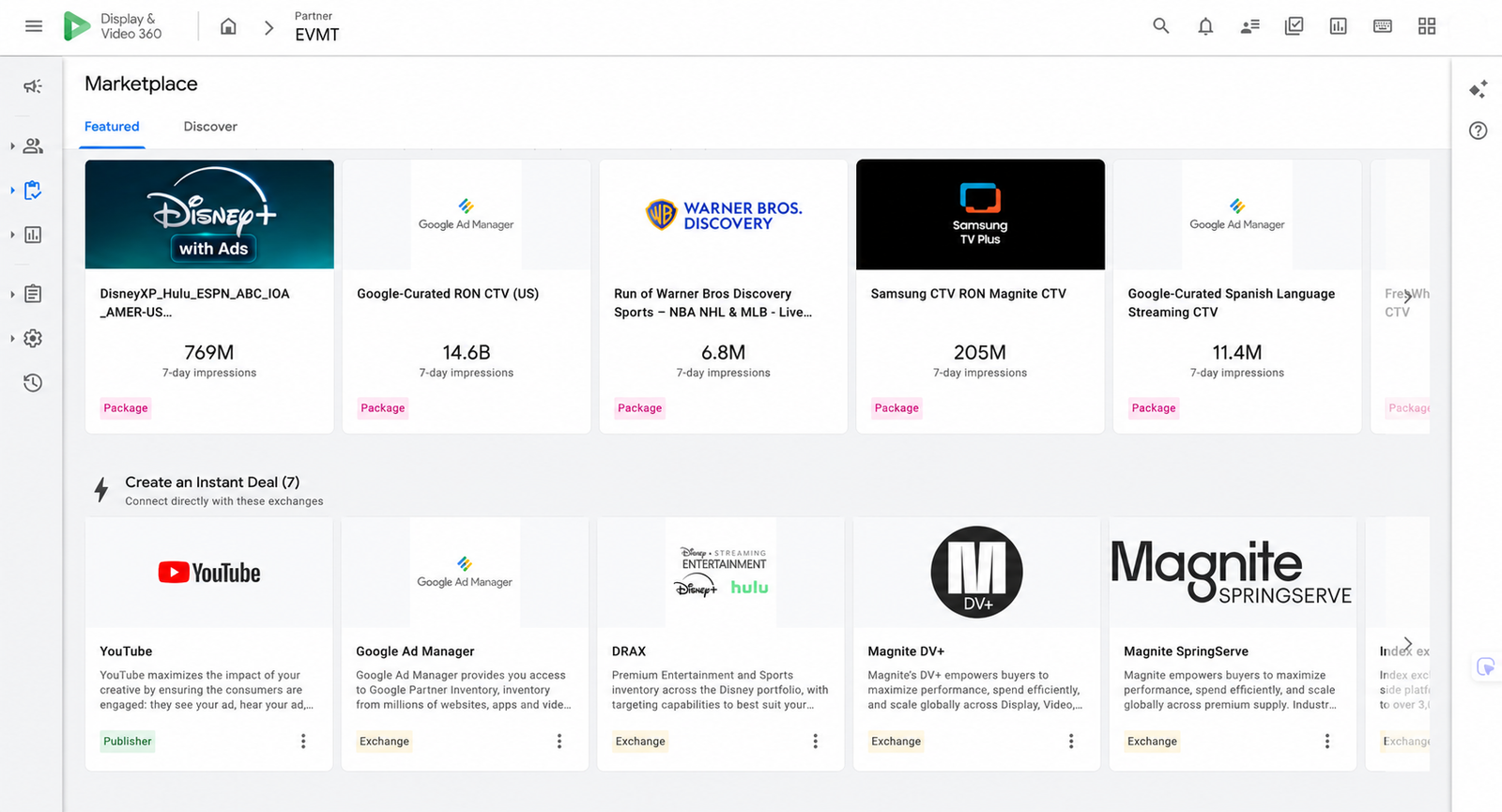
We use programmatic when premium reach, stronger context, and better inventory control matter more than cheap impressions.
We start with project micro-markets, ticket size, investor versus end-user intent, and buyer stage before media delivery begins.
We combine private marketplace deals, curated exchange buying, allowlists, and exclusion logic to avoid weak or unsafe surfaces.
We move from reach to proof to reminder using display, video, CTV, audio, and retargeting in the right order.
Lead quality, call pickup, site-visit movement, and CRM feedback push spend toward the audiences creating real pipeline value.
Audience structure, premium inventory, creative sequencing, and measurement built around real sales movement.
Audience clusters are shaped around project type, market, buyer profile, and readiness before delivery starts.
We decide where the brand should appear, where it should not, and how inventory quality affects every impression.
Awareness, proof, reminder, and conversion pushes are planned as a journey instead of disconnected placements.
Media decisions keep changing as better cohorts, stronger placements, and cleaner post-click behavior emerge.
Premium visual placements that create reach without surrendering inventory control.
High-attention formats used to build trust before the buyer returns through search or retargeting.
Additional memory-building touchpoints where premium reach matters more than shallow click volume.
Delivery layers shaped around high-value micro-markets, movement corridors, and location-led demand.
Cross-device reminder systems that keep the project visible after earlier interest signals.
Viewability, frequency, GA4 behavior, call tracking, CRM response, and site-visit movement read together.
We choose the format mix based on buyer stage, market context, and the type of demand the project needs.
High-quality awareness programs for launches, priority inventory pushes, and new market entry moments.
Delivery concentrated around the pin codes, movement belts, and city pockets that actually matter to the project.
Longer-form formats used to build trust, explain the offer, and support higher-ticket buyer decisions.
Return-engagement systems for users who visited, watched, clicked, or compared but did not convert the first time.
Audience-led prospecting for premium reach beyond search-heavy channels.
Inventory access with stronger control over where the brand appears and what it is adjacent to.
Attention-rich formats used when trust-building matters before the first inquiry.
Editorial-style reach used carefully to support wider demand discovery without cheap traffic patterns.
Audience pools synced across formats so the campaign stays visible without repeating the same message everywhere.
Fraud checks, viewability controls, unsafe category exclusions, and placement governance built into delivery.
Programmatic only works when placement quality, creative context, and measurement stay under control.
Broker-heavy, low-fit, or weak-intent pools are filtered before scale so reach quality stays intact.
Category blocks, allowlists, PMPs, and publisher checks help keep the brand away from low-quality environments.
We look beyond served impressions and push spend toward placements that are actually seen and worth paying for.
Offer language, format choice, and visual tone are matched to the surface so the message feels native, not intrusive.
We protect response quality by managing exposure cadence across the same user journey.
GA4, calls, CRM status, and site-visit movement are used to separate visibility from actual business impact.
The metrics that tell us whether programmatic is creating real demand, not just visibility.
Tell us the project, market, and sales goal. We will map the right programmatic media mix for qualified demand.
Programmatic becomes valuable when you need premium reach beyond search, better inventory control, stronger remarketing, or awareness that supports higher-ticket buyer decisions.
Not always. Budget depends on the market, inventory ambition, format mix, and campaign objective. We recommend programmatic only when the media plan makes business sense.
Yes. It is especially useful when the campaign needs premium storytelling, wider assisted demand, investor visibility, or quality recall before the inquiry stage.
No. We choose the mix based on the goal and can use curated exchange access, PMPs, allowlists, premium placements, and retargeting layers instead of relying on one buying path.
We use inventory controls, category exclusions, fraud filters, allowlists, PMPs, and ongoing placement review so the brand is not forced into weak or unsuitable environments.
Yes. Programmatic is often strongest when it supports search, social, and retargeting instead of replacing them. We plan the channels as one demand system.
We look at viewability, frequency, audience quality, revisits, lead-to-call movement, call quality, site-visit intent, and CRM-backed conversion signals.
Yes. We decide how static, video, CTV, native, and retargeting messages should appear across the buyer journey so each exposure has a job.